

Warehouse Design & Material Flow Optimization
Building Operational Readiness for ERP Success
An ERP rollout is only as effective as the processes it automates. Too often, ERP projects underdeliver because warehouse operations, material flows, and facility layouts are not optimized beforehand. The result? Dirty data carried into the new system, resistance from users who feel ERP makes their jobs harder, and technology that ends up automating broken processes.
At Cuneiform, we believe warehouse and material flow optimization should come before ERP implementation. By improving operations first, you create the foundation for smoother adoption, cleaner data migration, and measurable efficiency gains the moment your ERP goes live.
Why Optimize Warehousing Before ERP?
Warehouses sit at the heart of supply chain execution. If material flow is inefficient or data is unreliable, those issues ripple across planning, production, and customer service. Addressing these challenges before ERP implementation ensures:

Higher ERP Adoption – When workflows and layouts are intuitive, employees experience ERP as a tool that supports their work instead of complicating it.

Cleaner Master Data – Standardizing bin locations, labeling, and SKU structures ensures the new ERP reflects reality rather than inherited errors.

Reduced Risk at Go-Live – Optimized operations limit disruptions during the transition to ERP.

Faster ROI – With streamlined flows already in place, ERP-enabled automation delivers results faster.

Future Scalability – A well-designed warehouse supports growth and adapts to future ERP or automation upgrades.
Common Challenges We Address
Many manufacturers enter ERP projects with warehouses facing:
If these issues are not corrected in advance, the ERP system simply codifies inefficiency. Our role is to eliminate these barriers first.
Our Approach to Warehouse & Material Flow Optimization

1. Operational Needs Assessment
We begin with a detailed analysis of your current operations: inventory profiles, throughput patterns, labor utilization, and layout constraints. This assessment highlights inefficiencies and identifies improvement opportunities that directly impact ERP readiness.
2. Warehouse Layout & Flow Optimization
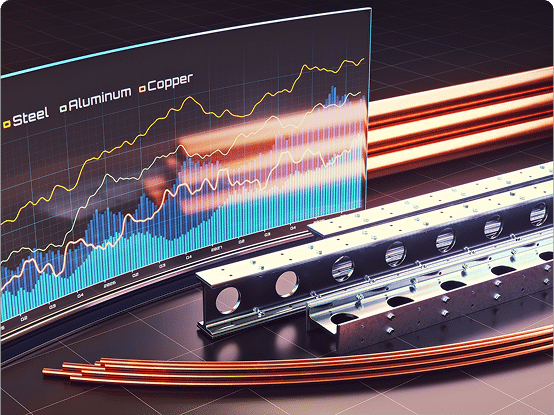
We design layouts that maximize storage capacity, reduce operator travel distances, and streamline picking and packing. From slotting strategies to zoning high-velocity SKUs, our designs balance space efficiency with labor productivity and safety.
3. Simulation & Material Flow Modeling
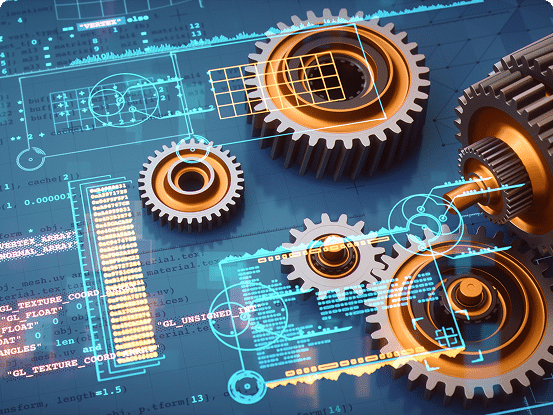
Using data-driven models, we simulate material flows, labor patterns, and throughput scenarios to identify bottlenecks. These simulations allow us to test and refine improvements before implementation, ensuring alignment with ERP-driven workflows.

4. Process Alignment with ERP
Processes—from receiving and put-away to picking, kitting, and shipping—are standardized and aligned with ERP best practices. This ensures ERP warehouse modules (IFS, SAP, Infor, etc.) map directly to optimized workflows rather than requiring extensive customization.
5. Technology & Automation Enablement
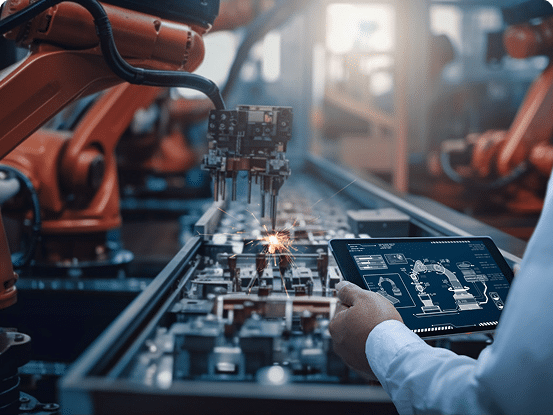
We evaluate automation strategies such as conveyors, RFID, AGVs, robotics, and WMS/WES solutions that integrate with ERP platforms. These technologies improve real-time visibility, reduce cycle times, and support advanced ERP functionality like automated replenishment and predictive planning.

6. Change Management & Pre-ERP Adoption
By introducing process improvements before ERP, employees adapt gradually to new workflows and responsibilities. This reduces change fatigue and positions them to embrace ERP as a natural next step in the transformation.
Proven Impact
Organizations that optimize warehousing and material flows before ERP implementation consistently achieve:
Beyond Go-Live: Continuous Improvement
Our work doesn’t end with ERP readiness. After ERP implementation, we establish KPIs and real-time dashboards that track warehouse performance. Ongoing analysis ensures throughput, accuracy, and labor utilization continue to improve. By embedding continuous improvement into your operations, your warehouse remains agile, scalable, and aligned with long-term business goals.
Why partner
with Cuneiform?

Deep Supply Chain & Manufacturing Expertise
We understand the intersection of warehouse operations and digital transformation.

ERP Implementation Knowledge
Our team knows how ERP systems (IFS, SAP, Infor, etc.) rely on standardized warehouse processes.

Data-Driven Methodology
We use simulation, modeling, and analytics to validate recommendations before execution.

ERP-Aligned Strategy
Our solutions are designed to map directly to ERP workflows, minimizing customization and accelerating adoption.

Sustainable Results
We focus on measurable improvements in cycle time, inventory accuracy, and productivity that last beyond go-live.
Your ERP Project Starts Here
An ERP system cannot fix broken processes—it only makes them more visible. By optimizing warehouse design and material flow in advance, you ensure your ERP project launches on a foundation of efficiency, accuracy, and scalability.
Contact Cuneiform today to prepare your operations for ERP success with smarter, more agile warehouses.