
Manufacturing Process Optimization
Simplifying Operations and Driving ERP Adoption with Lean, OEE, and Visual Management
Many ERP projects underperform because they automate broken processes instead of fixing them. At Cuneiform, we believe process and production flow optimization must begin on the shop floor — where complexity, waste, and inefficiencies most often undermine digital transformation.
Through Lean Manufacturing, OEE, Visual Management, and problem-solving routines, we simplify operations and engage frontline teams. The result: ERP systems work as intended, adoption improves, and factories become more resilient and efficient.
Why Optimize Manufacturing Processes?
In today’s competitive environment, success depends on balancing productivity, quality, and agility. Optimizing process flow before or alongside ERP implementation ensures that:

Waste and bottlenecks are eliminated through Lean methodologies rather than coded into ERP workflows

OEE metrics provide clear visibility into equipment availability, performance, and quality, creating a reliable foundation for ERP and IoT integration

Real-time Visual Management tools highlight KPIs and abnormalities, empowering faster problem-solving and accountability
AI, predictive analytics, and digital tools are applied to stable, standardized processes where they deliver measurable results

ERP adoption improves because the system reinforces intuitive workflows instead of overwhelming users with complexity
Our Approach
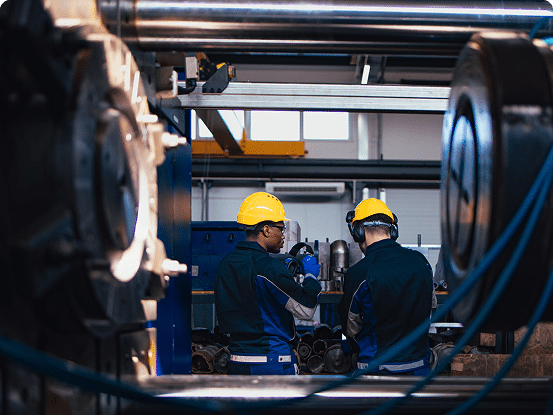
Lean Manufacturing Integration
We apply Lean principles — from 5S and standardized work to pull-based scheduling — to simplify flow and align production with true customer demand. This ensures ERP reinforces Lean practices rather than complicating them.

OEE Monitoring and Enhancement
Through ERP modules, MES, and IoT integration, we track machine availability, performance, and quality in real time. Continuous OEE monitoring identifies root causes of downtime, improves asset utilization, and drives proactive maintenance.

Visual Management & KPI Systems
We design shop-floor dashboards, KPI boards, and alerts that make performance visible and actionable. By aligning these tools with ERP data, teams can quickly identify issues, prioritize resources, and solve problems before they escalate.

Advanced Replenishment & Flow Options
We help manufacturers implement replenishment strategies that connect ERP to Lean material flow:
- DDMRP (Demand-Driven MRP) — decoupling points and strategic buffers to stabilize supply
- Kanban & Supermarkets — visual pull systems supported by ERP-triggered replenishment
- Hybrid Models — blending ERP push logic with Lean pull execution in high-mix environments
- Heijunka (Level Loading) — smoothing production into stable, repeatable daily workloads. Much like master scheduling in ERP, Heijunka creates a realistic, level-loaded plan — but it does so at the shop-floor level, ensuring what ERP generates can actually be executed without overburdening people or machines.

ERP Integration Without Complexity
We ensure ERP transactions happen in the background so operators aren’t bogged down by data entry. Options include:
- Barcode and RF scanning for simple inventory moves
- Automated backflush for material consumption
- Mobile ERP apps designed for operators
- IoT integration to passively capture data from machines
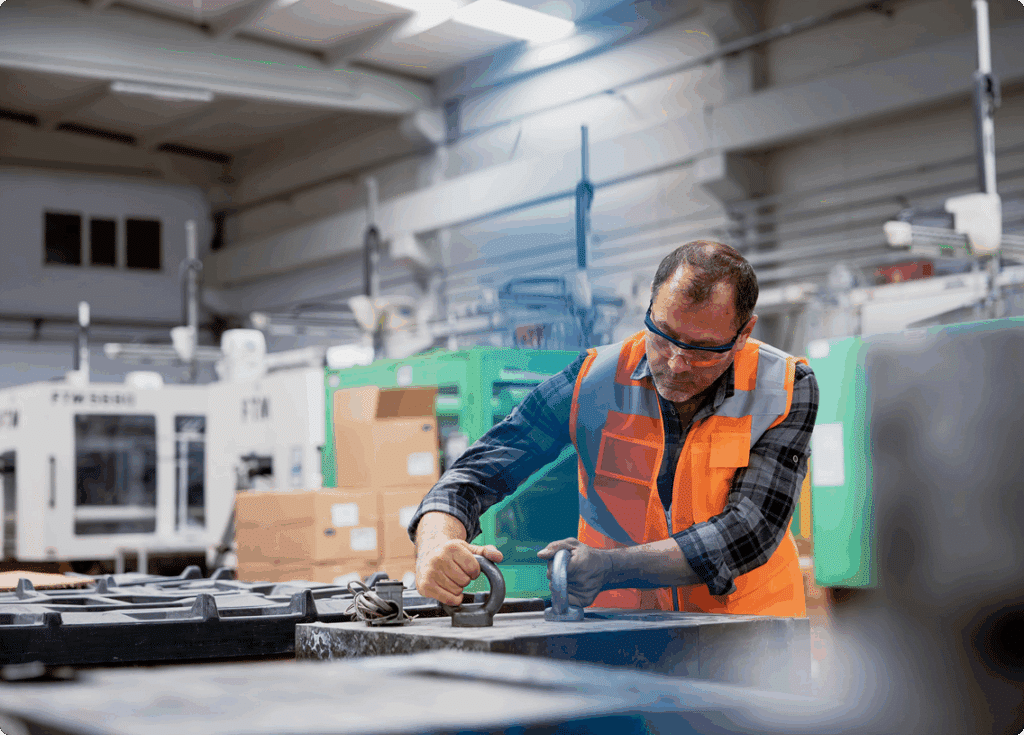
Problem-Solving & Kaizen Culture
We embed structured problem-solving into daily routines. Using A3 thinking, root cause analysis, and Kaizen events, teams continuously eliminate issues. ERP adoption improves because employees see that system transactions reinforce simpler, more reliable processes.
Measurable Outcomes
Organizations that partner with Cuneiform for Lean-centered process optimization typically achieve:
Why partner
with Cuneiform?

Manufacturing Expertise
Decades of operational and IT leadership in industrial environments

Business-First Approach
Focused on how operations really work, not just ERP transactions

Integrated Digital Solutions
Experience with ERP, MES, IoT, and analytics for a connected factory

Lean and Visual Focus
Empowering teams through visible KPIs and daily management routines

Sustainable Results
Reducing complexity, improving quality, and embedding continuous improvement into ERP adoption
Start Optimizing Your Production Flow Today
ERP systems cannot fix broken processes — they only make them more visible. By simplifying shop-floor operations through Lean practices, OEE monitoring, and Visual Management, Cuneiform helps manufacturers reduce complexity, empower teams, and prepare their business for ERP success.
Contact us today to learn how we can help you optimize production flows and drive both operational excellence and ERP adoption.